What is a grade rule?
A grade rule sets the measurement change between clothing sizes; this document explains how to choose, check and record those changes before production.
Quick answers from this guide
What is a grade rule?
A grade rule is the planned increase or decrease from one clothing size to the next at a particular measurement or place on the pattern. It tells the maker how to turn the first approved size into other sizes. Chest width and sleeve length need their own decisions, with changes kept compatible where the pieces join.
Can the same grade rules be used for every piece of clothing?
Grade rules need to suit the shape, fabric and construction of each piece of clothing. A close-fitting shirt and a loose overshirt can need different changes between sizes. Fabric stretch and the way cloth hangs also affect fit, so rules should be reviewed against the fabric that will be used to make the clothes.
How do you check whether grade rules preserve the fit?
Check the first approved size against its agreed measurements, then try at least one smaller and one larger size on suitable people or body forms. Check movement as well as measurements. Raising an arm can reveal a sleeve problem that measuring the clothes flat does not show. Record changes against the affected size and part of the clothing.
What is the difference between a grade rule and an allowed measurement variation?
A grade rule sets the intended measurement change between sizes. An allowed measurement variation sets how far a finished piece may measure above or below the agreed measurement for its own size. The allowance accounts for normal differences from making and measuring clothes. Each measurement needs an allowance suited to its effect on fit, appearance or function.
When should grade rules be approved for production?
Approve grade rules for production when the fit comments, measurements for every size, materials and details of how the clothes are made have been agreed together. Keep the final instructions and the sample that production is checked against on the same version. A later change needs review across the sizes, with the affected records updated together.
On this page 5 sections
A grade rule is the planned increase or decrease from one clothing size to the next at a particular measurement or place on the pattern. It tells the maker how much that part changes as the clothes get larger or smaller.
There is no single change that can be applied to every part of every piece of clothing. The rules depend on the intended shape, the fabric and how the pieces join. Approving a sample in one size establishes a starting point. The other sizes still need checking.
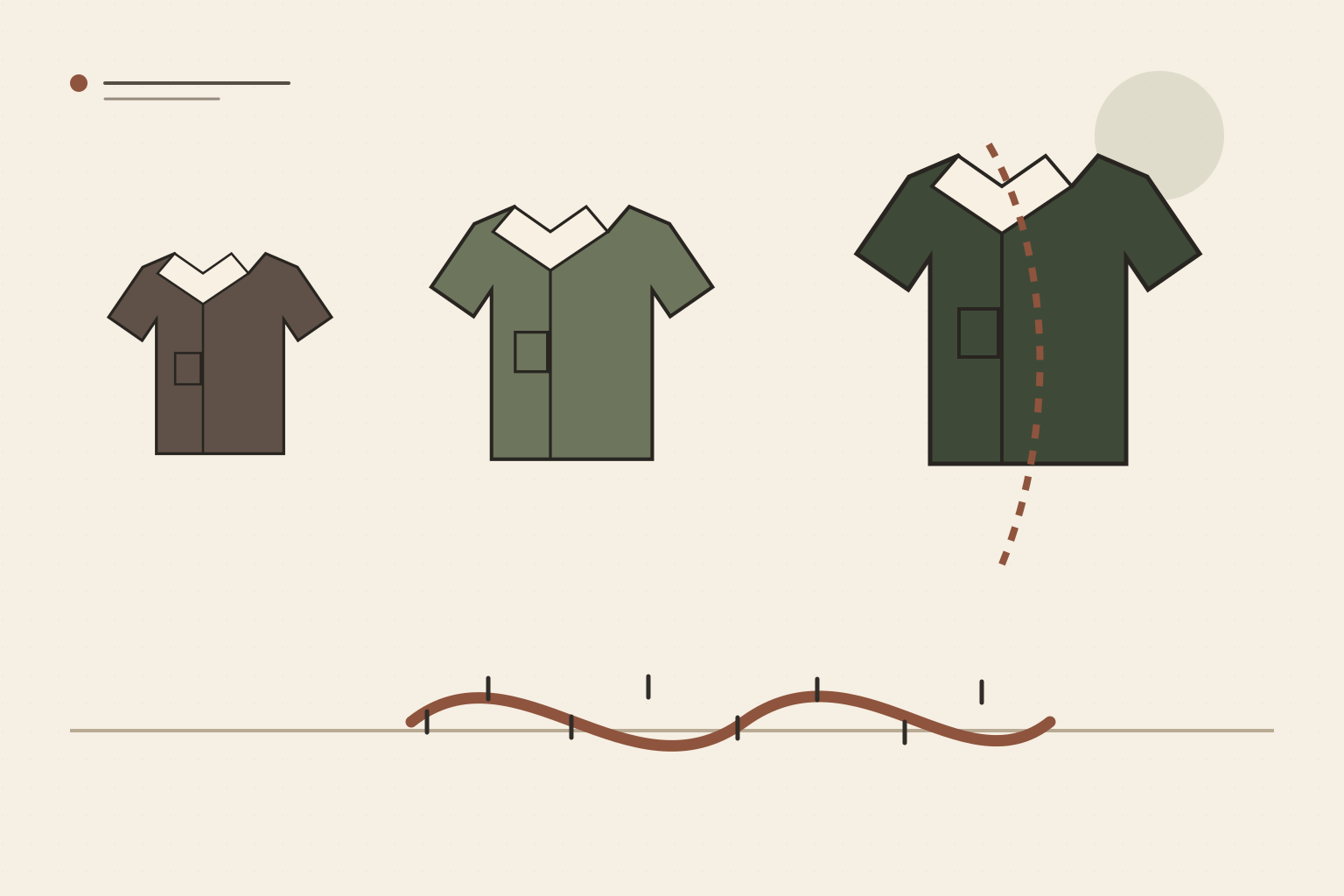
01Each measurement needs its own change between sizes
The size sampled and approved first is the starting size. Its pattern, the shapes used to cut the fabric pieces, provides the starting point for making the other sizes.
A grade rule can describe a change in chest width or body length. Those changes do not have to match. Button spacing needs its own decision too.
The maker applies the changes to the pattern pieces. A change around the chest may be shared between the front and back. Where the sleeve joins the body, the changes must work together so the pieces still sew together cleanly. Adding width without a compatible sleeve adjustment can leave a larger size pulling around the upper arm.
02The measurements must say exactly how to measure
Record the agreed measurements for each size in the document that tells the maker what to make. Include the units and size labels. State whether each figure measures the finished clothes or the body they are intended to fit. These are different measurements: the space between the body and the clothes contributes to movement and shape.
Each measurement needs a method beside it. For a waistband, say whether it is measured flat, fastened and unstretched. Make clear whether the figure means the width across the flat waistband or the measurement all the way around. Two people following different methods can produce different numbers for the same piece of clothing.
Name the exact starting and finishing points for the tape. A sleeve measurement might run from the shoulder seam to the cuff edge along the outside of the sleeve. A pocket position needs a named seam or edge to measure from.
The size label does not supply these instructions. A medium in one brand's clothes does not promise the same dimensions as a medium in another. The written measurements and approved samples define what that label means for the piece being made.
03Fabric and shape determine which rules fit the clothes
A close-fitting shirt needs different decisions from a loose overshirt. The shirt may need closely controlled changes around the shoulder and collar. A looser shape can accommodate more change through the body.
Fabric matters too. Stretch changes how a measurement behaves on the body, while a crisp cloth and a fluid cloth can hang differently at the same measurement. Shrinkage after washing can also affect the result. Review the rules against the fabric that will be used in production.
For trousers, extra width through the hip and thigh has to work with the shape around the crotch. Otherwise, a larger size can gain width and lose comfort. An elasticated waist needs checking both relaxed and stretched, including whether the opening will pull over the body.
Changing the fabric after the fit has been approved can reopen the pattern work. Keep fabric decisions connected to the measurements; approval of the fit in one cloth does not settle how another cloth will behave.
04Smaller and larger samples test the rules in use
Begin by checking the starting sample against the agreed measurements and fit comments. Then review at least one smaller and one larger size on suitable people or body forms. Use the intended clothes underneath, and footwear where it affects length or how the clothes sit.
Movement is part of the check. Look at whether the shoulder stays in place when an arm rises and whether the clothes hang as intended from the side as well as the front. For trousers, check sitting and walking. A piece can match the measurements on a table and still restrict movement.
Every size does not necessarily need its own sample. Selected sizes test the rules, with more samples potentially needed for complex shapes, closely fitted clothes or a wider spread of sizes. Record each agreed change against the affected size. Say whether it applies to the starting pattern, selected sizes or all sizes, and bring the comments together in one instruction for the maker.
05Production needs agreed rules and allowed measurement variation
A grade rule describes the intended difference between sizes. The allowed measurement variation describes how far a finished piece may measure above or below its agreed measurement. Cutting and sewing introduce normal variation. That allowance still needs to protect the fit.
Set it for each measurement. A difference that barely affects a wide chest can matter at a cuff that needs to fasten. Use the same measuring method for every check, so a change in how the tape is held does not become a false failure.
Approve the rules when the measurements, fit comments, fabric and construction details agree. Keep them with the sample that production is checked against and a record of revisions. If a later change affects the starting pattern, review its effect across all sizes and update the instructions together. The maker needs one current definition of each size.