The clothing brand library.
Start a brand, plan a collection or work through the details. Practical articles and clear answers, free to read.
Find a useful answer.
Search for an answer or choose where you are in the journey.
New to this?
Start with these three.
They explain where to begin, what to plan and what affects design and sampling costs.
How to start a clothing brand
Choose a customer, plan a focused collection, develop an approved product and prepare to sell. A practical starting point wherever you want to launch.
3 min read 02Planning your first collection
Choose which pieces to make, how they work together and which fabrics suit them.
4 min read 03What affects design and sampling costs?
Understand what you pay for before production, what can be shared and how to plan the work for your first collection.
5 min readChoose where you are
What do you need help with?
110 articlesShowing 12 of 110

How to start a clothing brand
Choose a customer, plan a focused collection, develop an approved product and prepare to sell. A practical starting point wherever you want to launch.
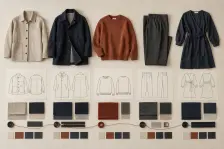
Planning your first collection
Choose which pieces to make, how they work together and which fabrics suit them.
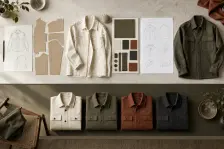
What affects design and sampling costs?
Understand what you pay for before production, what can be shared and how to plan the work for your first collection.
Does a first collection need a designer?
A first collection needs someone responsible for its design; whether to hire a designer depends on the clothes, the changes involved and the maker’s work.
The first conversation with a manufacturer
The first conversation should settle what the maker will sample, which decisions remain open, and what each side must provide before work begins.
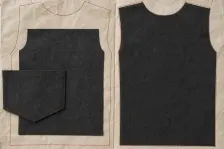
What fifty-eight years changes about how we design
What longevity actually buys you, and what it does not.

What happens on your first call
Bring your idea as it is. We discuss the customer, the clothes and where you need help, then work out a practical next step.
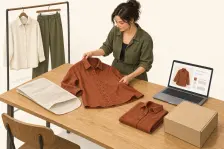
What has to exist before a clothing brand can launch?
A clothing brand needs agreed clothes, clear instructions for making them, a workable production plan and a website that matches what can be delivered.
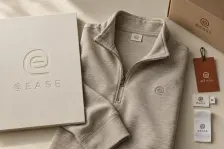
A visual system that survives contact with a garment
Labels, tags, cartons and shopfronts reveal whether the identity is a system or only a screen presentation.
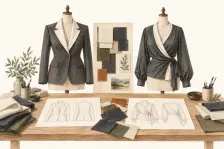
Against the mood board
A reference wall records what you are attracted to. That is not a direction.
How to write a brand identity brief
Tell your designer who the brand is for, how you want it to feel and where the design will be used.
Naming a clothing brand
Speech, search, ownership and garment application decide whether a clothing brand name works.
Positioning against an incumbent with no history
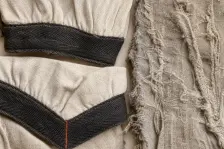
Without a history to claim, a brand's defensible position is the product choice visible on launch day.

What a brand guide is for after handover
A brand guide earns its place only if someone who has never spoken to the studio can apply it to a new thing and get it right.
Against the category specialist
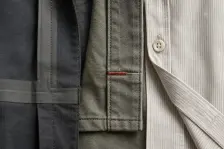
Working across categories keeps a studio's solutions moving, because a construction learned in one solves a problem in another; specialism buys depth and narrows the reference set.
Choosing fabric for a first collection
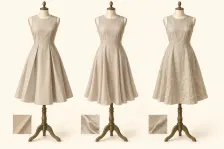
Choose fabric before finalising the styles because its structure and finish determine how the clothes hang, which maker can sew them, and the quantities and costs involved.
Colour is the decision you pay for twice
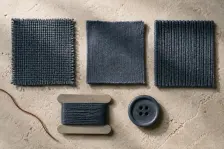
Adding a colourway is nearly free in design and separately expensive in material, approval, component matching and lot-to-lot consistency, which is why launch palettes should stay narrow.
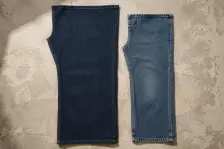
Denim, and why it breaks the normal development sequence
Plan denim as two development tracks, fit and finish, so shrinkage, skew, the wash recipe and fabric lead time are settled in the order each one depends on.
How long does it take to get a clothing range made?
The time to make a clothing range depends on fabric, sample approvals and the maker’s available time; a delivery date needs those steps worked out.
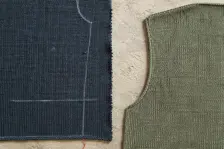
Knitwear and jersey, when the fabric makes itself
Separate cut-and-sew jersey from fully fashioned knitwear, then set the route, the gauge and the colour method a first range can actually carry.
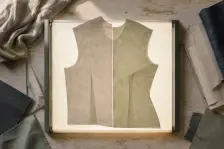
Menswear is not womenswear with different measurements
The blocks differ, the grading follows different logic, and menswear trouser sizing multiplies the size count, so crossing between the two is a second development programme.
Setting a price position before you design
Set the comparison and commercial boundary before drawing, so the garment and business promise the same thing.
The most expensive decision is not the fabric
It is not the fabric. It is the number of styles, and the reason is not obvious.
The order product decisions have to happen in
Purpose must settle before silhouette, material and construction if later choices are to preserve room for the decisions that matter.
What a first collection has to prove
What a first collection needs to prove is narrow: a point of view, credible product and justified retail position.
What happens when the sample comes back wrong?
A wrong sample needs a written correction and a clear next decision; the response changes with what was agreed and whether production has started.
What is GSM, and what does fabric weight tell you?
Fabric weight tells you how much material sits in a fixed area; its feel and suitability also depend on the fibres, construction and finish.
When does a fabric choice become final?
A fabric choice becomes final when the finished fabric is approved, its details are recorded and the quantity needed is confirmed, with a further check before cutting.

Why we ask for a retail price before we draw anything
The retail price is a design constraint, and it decides more than the fabric does.
Worldwide is not a market
Worldwide describes reach, not a market, and a range only becomes designable once one market and one channel have actually been chosen.
Can a design change after the order is placed?
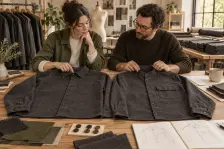
A design can change after ordering, but the maker must check the work already committed, the approvals needed and the effect on cost and delivery.
Does a manufacturer need a tech pack before quoting?
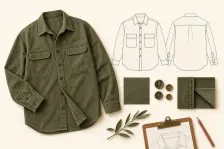
A maker needs clear written instructions to quote meaningfully; unfinished choices can stay open if the quotation records its assumptions.
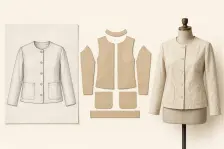
From a sketch to the first real sample
How a drawing becomes a garment, what the first sample can prove, and which written approvals carry the clothes through to production.
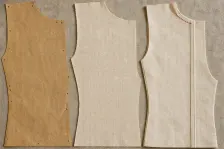
From pattern to approved sample
Treat the base pattern, fit approval, grade rule, size set and production sample as one connected sequence of decisions.
Getting colour right, twice
Colour needs approval on the chosen fabric, then checking across the fabric made for the order, using shared physical references and agreed lighting.
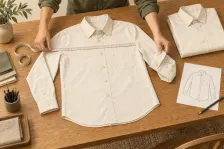
How clothes get checked before they ship
An inspection checks finished clothes against what was approved; its findings decide whether the order can ship or needs correction and another check.
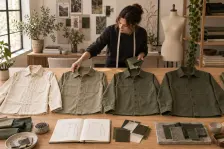
How many samples come before production?
There is no fixed sample count: the number follows the checks needed to approve the design, fit, sizes and finished clothes before production.
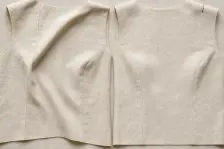
How to read a garment sample
Feedback becomes actionable when each sample is judged against its specification and current decision.
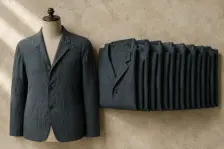
One fit model is not a fit strategy
Grading derives a size range from one approved body, so the extremes need evidence, and the body chosen as the base is itself a decision about the customer.
Sizing and fit for a menswear range
How menswear sizing works when sizes are published as measurements: chest-led and waist-led grading, shirting dimensions, the waist and leg grid, and what a fit name has to state.
Sizing and fit for a womenswear range
Decide a size range, choose and approve a base size, write grade rules that hold across it, and publish a size chart a customer can actually buy from.
The size chart is a brand decision
Behind the label number is a set of measurements somebody chose, and choosing them deliberately, publishing them and holding them constant is what earns a second order.
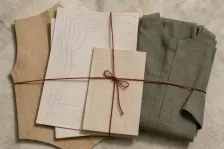
What changes when you own the pattern
Patterns, grade rules, specifications and sealed samples are what make a garment portable between makers, and who owns them should be settled in writing before development starts.
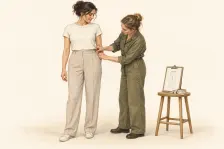
What happens in a fit session
A fit session checks a sample on a body, agrees changes to its shape and records the instructions the next sample must prove.
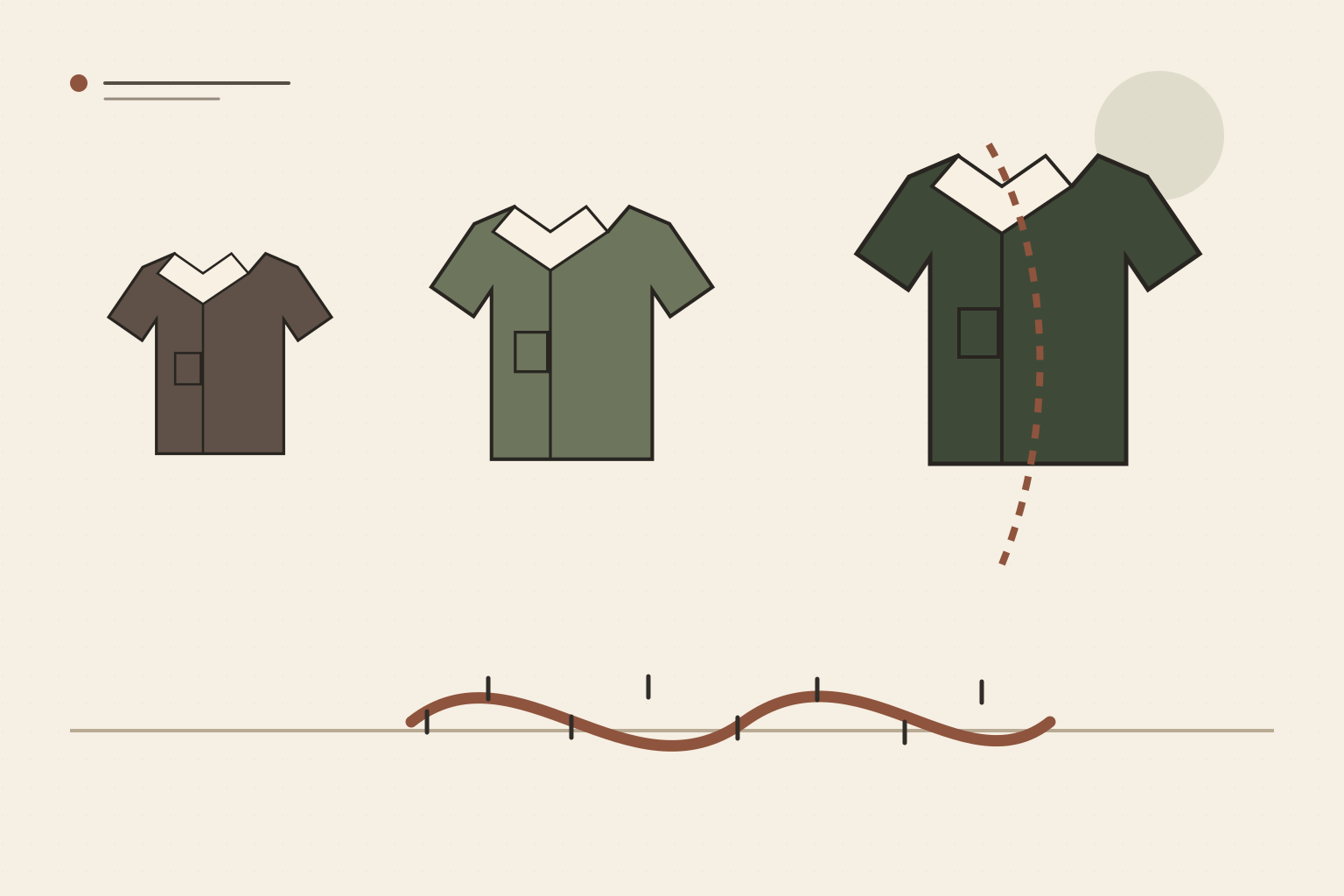
What is a grade rule?
A grade rule sets the measurement change between clothing sizes; this document explains how to choose, check and record those changes before production.
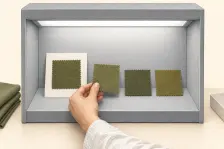
What is a lab dip, and how is production colour checked?
Colour is approved on a small dyed fabric sample, then checked in the fabric made for the clothes against that sample and agreed acceptable differences.
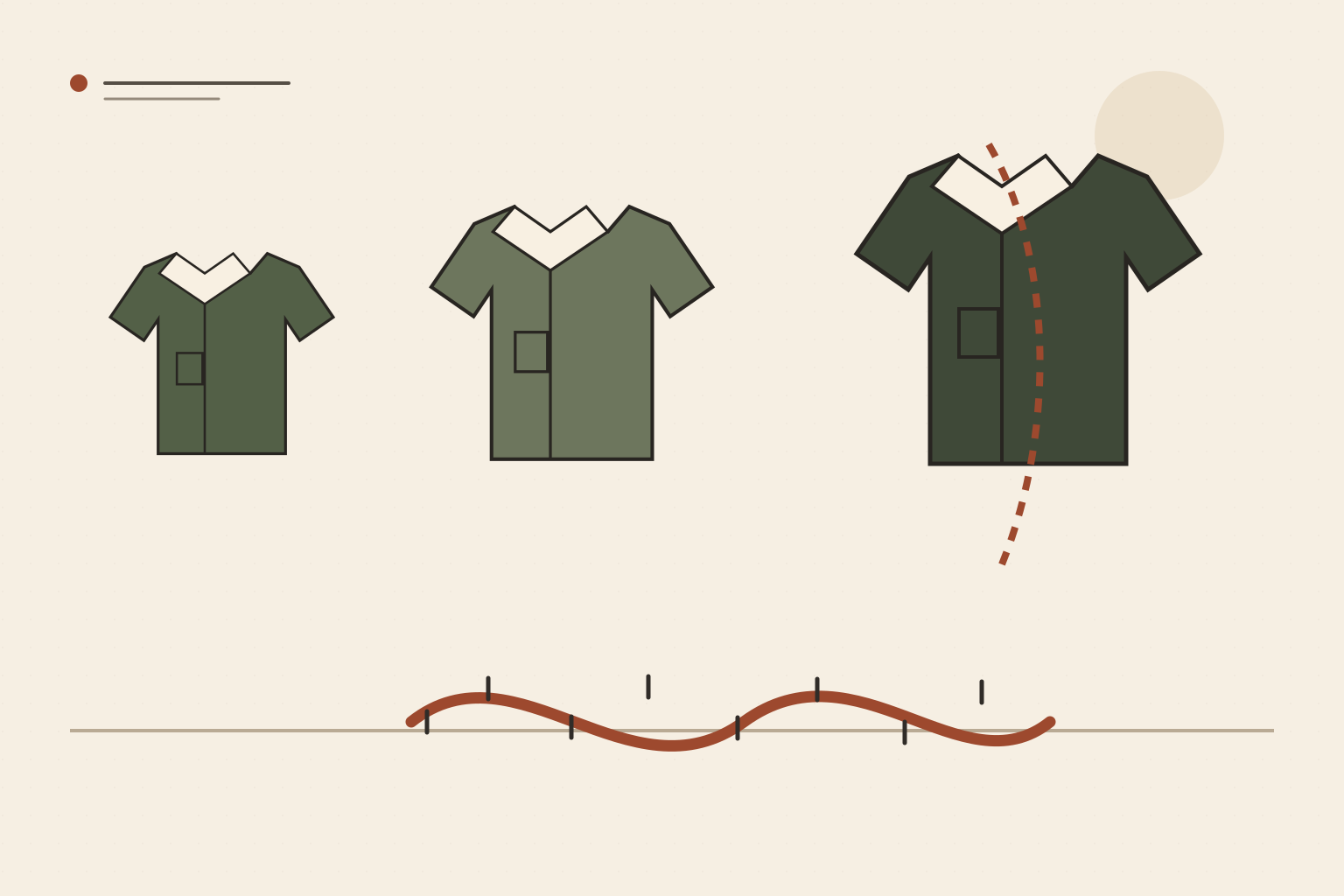
What is the sample that production gets checked against?
The approved sample fixes what the maker must reproduce, with written measurements and decisions supporting checks before production, during making and before delivery.
What the document that gets a garment made contains
The document settles how a garment looks, what goes into it, how it is measured and made, and which approved version the maker must follow.
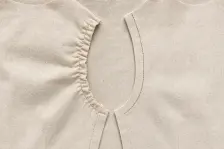
What to check in your first clothing sample
Use the first sample to check shape, fit, fabric and making details, then give the next round a clear brief.
What to decide before a specification
Put the retail position first, decide what the product must protect, then turn those choices into a specification that can control them.
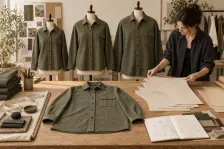
Where a size chart comes from
A size chart starts with an approved sample, defines how measurements change between sizes, and is checked on bodies before the clothes are made.
Who owns the pattern for a garment?
Pattern ownership must be checked against the agreement and purchase records; access to usable files and permission to move them need to be settled separately.
Why does a garment come back a different size after washing?
Washing can shrink, stretch or twist fabric; checking the cloth, wash conditions and agreed measurement limits explains whether the change is acceptable.
Changing manufacturer without losing the product
Keep the clothes consistent by transferring their approved records, settling access to patterns, and testing the new maker before moving the main order.
Choose who buys the fabric and develops the clothes
Use the state of your first design to choose the work you need, then assign each material and approval.
Choosing who makes the clothes
Choose a maker by checking relevant work, agreeing who handles each task, and comparing the same clothes, quantities and delivery plan.
Fabric chooses the factory
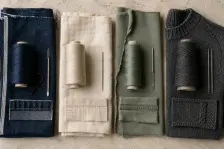
Founders pick a maker before a fabric, but a fabric implies a machine, a skill and a finish, so the cloth should choose where the clothes are made.

Going through an agent, or straight to a factory
An agent suits work that needs coordination across makers; going straight to a factory suits clothes whose development, checks and delivery the brand can manage directly.
How can a manufacturer be checked before sending money?
Check the business records, factory, sample and payment details together, with separate decisions before paying for a sample and before ordering the clothes.
Is it necessary to visit the factory?
A factory visit can deepen the checks on a maker, but the decision to order also needs samples, records and evidence about the production site.
Judging a maker after the first order
Record what was agreed, what arrived, why anything changed and whether repairs worked before deciding what the maker must change for a second order.
Making in more than one country
A second manufacturing country earns its extra work when it provides a tested alternative or a different making capability for a defined part of the clothes.
One manufacturer, or one for each product type
One maker suits clothes with shared making requirements; separate makers suit distinct requirements when their samples justify the extra coordination and material commitments.
The second order is the real test
Anyone can get a first run made. Repeating it at the same quality is the harder thing.
Three ways to buy manufacturing
Supplying fabric, buying finished clothes and buying development with production divide the work differently; the choice rests on what is settled and who handles what remains.
What a factory audit does and does not tell you
A factory audit records findings about a named workplace; its meaning depends on the scheme, the work examined and evidence that problems were resolved.
What a supplier actually hears when you send a brief
The same brief reads differently on the other side of the table. Here is how.
What sits between a brand and a factory
The work between designing clothes and making them, what a trading house coordinates, and which decisions stay with the brand.
A small first run, or a full production order
A small first run suits clothes whose materials and making work at that quantity; a larger order suits a settled design with larger material and preparation commitments.
Against made to order as a first strategy
Made to order defers the fit, supplier and pricing decisions a first range exists to force, while production economics and lead times work against a very small run.
Build a landed-cost worksheet for a mixed order
Work through a mixed shipment, assign shared charges and reconcile the estimate with what arrived.
Build a payment schedule for your first order
Connect each proposed payment to an agreed event, evidence and the cash available before launch.
How long clothes take to make
Clothing delivery dates depend on fabric, samples, approvals and available making time; this document explains where waiting can be reduced and which checks need protecting.
How manufacturers get paid
A first clothing order may use an advance for materials and a later balance; the agreed conditions define when each payment becomes due.
How much fabric does an order need?
The fabric to order comes from the clothes’ estimated use, quantities by colour and size, and the smallest fabric run available.
How quantity changes what is possible
Quantity decides which cloth, colours and production routes are feasible, not only how fixed setup is divided.
How the price of making a garment is built
A garment quote combines materials, making, packing and agreed services; quantity changes how preparation costs and material minimums are shared across the clothes.
How to compare clothing manufacturer quotes
Compare the same product and scope, make exclusions visible and resolve open questions before choosing a manufacturer. Includes a blank comparison sheet.
How trade policy reaches a small brand
The duty on clothes depends on the finished item, its materials and production, its destination, and the rules checked before the order and again before shipping.
Making to order, or holding stock
Making to order and holding stock suit different promises about delivery, different ways of paying for production, and different levels of certainty about what will sell.
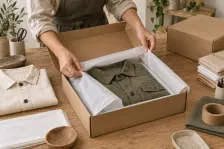
Packing and shipping a first order
Decide how clothes are folded, protected, boxed and identified before packing begins, then use measured boxes and matching records to plan shipping.
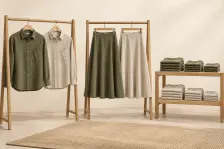
Plan a collection around fabric and garment minimums
Use a style-and-colour worksheet to identify which minimum is binding, then compare practical changes.
Reading a manufacturing quotation
A manufacturing quote becomes comparable when the clothes, quantities, included work and delivery responsibilities are described on the same basis.
The documents that move with a shipment
The purpose of each shipping document, the details that must agree, and the checks that prevent paperwork from holding up delivery.
What a cheaper quote might be leaving out
A cheaper quote saves money only when it covers the same clothes, checks and delivery work; missing decisions can move costs into later corrections.
What can go wrong in a first production order?
First production problems arise when instructions drift, faults repeat unchecked and the final inspection is asked to settle decisions that belong earlier.
What is MOQ, and why does a maker set a minimum?
The minimum a maker will run reflects preparation, materials and development, and changes with the clothes being made and who arranges the work.
What sits between a quoted price and the clothes arriving?
The full cost of clothes arriving includes the maker’s price and any transport, import, delivery and receiving charges left outside the quote.
Who is responsible for the shipment, and where it changes hands
Shipping terms settle who arranges and pays for each part of the journey, where responsibility for loss or damage passes, and which delivery details need separate agreement.
Why do two manufacturers quote such different prices?
Clothing quotes differ when makers price different materials, work or order details; a useful comparison makes those assumptions match before judging the price.
Can a new brand call its clothes sustainable?
A sustainability claim needs evidence matching its exact wording and the finished clothes; a certificate for one material cannot support a claim about everything.
Knowing where the clothes actually came from
Tracing clothes means connecting each order to records for its fabric, yarn and fibre, and keeping every statement about origin within what those records support.
Recycled fibre, and what the claim rests on
A recycled-content claim needs a clear fibre name and percentage, supported by documents that connect the material to the clothes being sold.
The chemicals a garment carries
Dyes, prints, washes and finishes introduce chemical decisions that need records from the places doing the work, alongside tests of the finished clothes.
What an organic cotton claim has to be backed by
An organic cotton claim needs certificates for the businesses and goods involved, records linking the material to the clothes, and wording supported by that evidence.
What does an organic cotton certificate actually certify?
An organic cotton certificate covers either a company's approved activities or identified goods; the claim on finished clothes needs both connected through the order.
What has to be on a clothing label before it can be sold?
Clothing label requirements vary by destination and product, covering fibre content and, where required, care, origin, business details, language and attachment.
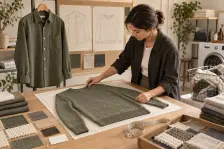
Writing a care instruction the garment can keep
Care instructions must be supported by evidence for the finished clothes, checked for the country of sale and reconsidered whenever materials or making details change.
A discount is a design decision
Planned markdowns are paid for in cloth and construction long before anything is cut, so the intended full price and sale behaviour belong in range planning.
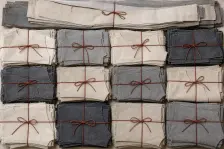
Against launching with everything
A launch range is an argument, not a catalogue. Every style in it has to earn the place.
Choosing which market to launch in first
Choose between a home-market and overseas launch by comparing evidence of demand, the clothes, delivery, returns and the work needed to support each sale.
Launching in two markets at once
A simultaneous launch suits clothes and delivery arrangements ready for both destinations; a staged launch suits decisions that still need to be tested through making and selling.
Returns are designed, not marketed away
A high return rate is mostly a fit, colour and information problem created upstream, best read as product data and fixed before the range is made.
Selling direct, or through shops
Selling direct suits a brand ready to handle customer orders; selling through shops suits clothes and production plans that can support shop orders and terms.
Selling on a marketplace, or on the brand's own site
A marketplace suits selling within an existing shopping setting; the brand's own site suits shaping the presentation and customer relationship, with responsibility for bringing people there.
The launch date is a design constraint
A launch date fixes the season the clothes are made for, the fit rounds available and the fabrics reachable, so set it backwards from the longest lead item.
The second market is harder than the first
Expansion reopens every decision the first range settled, all at once, which is why the second market should be chosen while the first is still being designed.
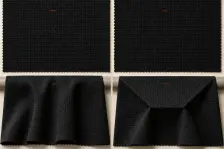
What a product page has to answer
Recognition, fit, feel, use and service belong in the sequence a buyer needs to assess an unfamiliar garment.
Working backwards from a launch date
Build a launch calendar from the on-sale date, with dated approvals, confirmed material and making times, and spare time beside the steps that can delay delivery.
Your first customers are not your target customer
Launch sales run through the founder's own network, so warm and cold buyers have to be read separately and judged on repeat purchase, returns and unprompted talk.
Start with a conversation.
Ready to put a plan into practice? Tell us about the brand you want to build.
Talk about your idea