Three ways to buy manufacturing
Supplying fabric, buying finished clothes and buying development with production divide the work differently; the choice rests on what is settled and who handles what remains.
Market-specific guidance. Sources and review information are included below.
Quick answers from this guide
What are the three ways to buy clothing manufacturing?
A brand can supply fabric and pay a maker to turn it into clothes, ask a maker to buy the materials and make an already defined garment, or buy development and production together. The distinction is who buys the materials and who resolves the details before production. Each arrangement still needs written responsibilities and a sample the brand has approved.
What does the brand handle when it supplies the fabric?
When a brand supplies fabric, it handles the purchase and its arrival at the maker in the agreed quantity and condition. The brand also needs to provide clear instructions for the clothes and approve the materials. The agreement should identify who supplies supporting items such as labels, and who handles a shortage, replacement or delay before cutting can begin.
Does buying finished clothes include developing the design?
Buying finished clothes can cover materials and making without covering the work needed to develop the design. A maker may quote on the assumption that the measurements and approved sample already exist. Ask whether the quote covers developing the shapes used to cut the fabric, sample revisions and finding fabric options. Record any unresolved work before accepting the quote.
What decisions stay with the brand when the maker handles development?
The brand still approves what the clothes should be, the materials and the sample that production will be checked against. It also approves the cost, order quantity, delivery priorities and agreed quality requirements. A maker can coordinate the development work, but each decision needs a deadline and a written record so that production follows the approved version.
How can a brand compare manufacturing quotes fairly?
Give each maker the same description of the clothes, materials list, quantities by size and colour, and delivery requirements. State which sample has been approved and what development remains. Compare the work included as well as the material assumptions. Differences in fabric, sample revisions, testing or packing can make quotes cover different jobs even when they use the same service name.
On this page 7 sections
You can buy manufacturing by supplying the fabric, asking a maker to supply materials and make defined clothes, or asking them to develop the clothes and manage production together. Each arrangement puts a different amount of work with the brand. Choose according to what is already settled and who will carry the remaining work through to delivery.
CMT means cut, make and trim: a making arrangement whose material responsibilities must be specified. Full-package describes a broader supply scope, with development included only when agreed. FOB means Free On Board and concerns delivery, not whether design or fabric sourcing is included. Keep the manufacturing scope separate from the shipping term.
There is room between these arrangements. A brand can choose an exact fabric while the maker orders it, or supply its own labels while the maker finds the other materials. Write down that division. A service name alone does not tell either side who is responsible when something needs replacing or a sample needs another revision.
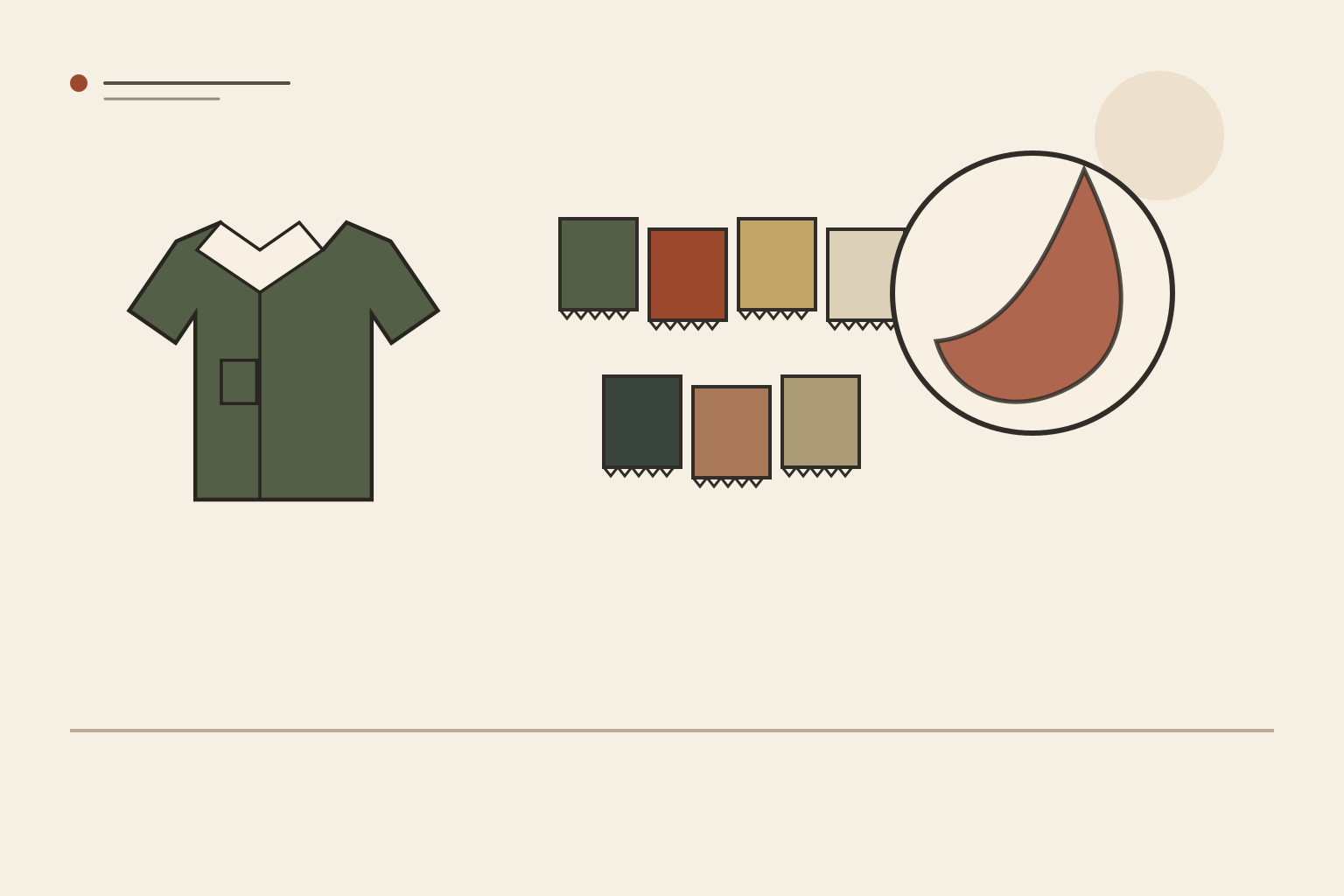
01Supplying the fabric leaves the material work with the brand
In this arrangement, the brand supplies the main fabric and pays the maker to turn the agreed materials into clothes. The brand may also supply the labels and other parts. The maker works from the instructions and sample that have been agreed, cutting the fabric and making the garment.
That gives the brand close control over the fabric purchase. It also gives the brand responsibility for getting usable fabric to the maker. The right material has to arrive in the required quantity and condition, at the agreed time. Fabric that arrives late, runs short or cannot be used for the agreed design can hold up production before the maker can begin.
The information travelling with the fabric matters too. Record its quantity and colour, which batch it comes from, and whether the agreed tests have been completed. Set a delivery date and name the person who can approve cutting. Receipt does not authorise cutting.
A quote for making the clothes still needs detail. Agree who supplies thread and packaging, and whether washing or other treatments are included. Testing and delivery need their own written responsibilities. This arrangement fits work with a settled fabric source and clear making instructions, where the brand can coordinate the material deliveries and resolve shortages.
02Buying finished clothes puts material purchasing with the maker
A maker can quote for the agreed materials and the work of turning them into finished clothes together. The brand defines the garment and approves what will be used. The maker then buys the materials covered by the agreement and organises production. Fabric still drives the cost.
This works when the clothes are defined well enough for the maker to find materials and produce against the instructions. Those instructions need to describe the fabric, including what it is made from, its weight and its finish. The measurements and the way the clothes are put together also need to be clear. Otherwise, the maker is filling gaps with assumptions.
Development is a separate check. A quote for finished clothes may assume that an approved sample and complete instructions already exist. It may also include help finding fabric and revising samples. Ask which applies, and have the answer written into the quote. Buying the materials and resolving the design are different pieces of work.
Delivery needs the same attention. Record the agreed handover point and who handles the transport and paperwork on each side of it. Where a shipping company is involved, check that the proposed handover matches the agreement. The phrase “finished clothes” describes the product; the quote still needs to describe how far the maker's delivery responsibility extends.
03Buying development and production together starts earlier
The third arrangement brings the work of developing the clothes together with finding materials and managing production. It can begin with an early description of the clothes or a detailed document that tells a maker what to make. The maker coordinates the work needed to turn that starting point into something ready to produce.
That work includes proposing fabrics and developing the shapes used to cut them, then making samples for approval. The fabric and the way the garment is made can be considered together. Cost and quality checks develop alongside those decisions, so the agreement should show what will be submitted for approval and when.
The steps need visible results. An early description establishes the proposed garment and order quantity. Material choices and a first sample give the brand something to review. Before production is authorised, there should be an approved sample, final making instructions and an agreed plan for testing and packing. Keep each sample version connected to its comments.
Coordination continues during production through updates and records of quality checks. If an issue appears, record the decision to correct it or revise the delivery plan. The value of this arrangement is continuity between the first description and the finished clothes. The work included still needs to be named, because different garments can need different development steps.
04The brand keeps approval of the clothes in every arrangement
Having the maker coordinate more work changes how the brand gives instructions. When the maker finds fabric, the brand approves the proposed material against the agreed description. When the maker develops a sample, the brand reviews it and records the changes. Those approvals become the basis for the material order and production plan.
The brand also approves the cost and quantity, along with delivery priorities and the quality requirements the clothes will be checked against. Give each decision a deadline and identify who can make it. A maker needs a clear answer when an alternative fabric changes the appearance or an alteration affects the schedule.
Send sample comments together as one instruction. Fit changes can affect the shapes used to cut the fabric, how much fabric is needed and where artwork sits. If comments arrive in fragments while several parts are changing, the next sample can resolve one issue and repeat another. A complete set of comments gives the maker one version to follow.
Keep a change record after approval as well. It should say what changed and who agreed to it, with the effect on cost and timing. Identify which earlier sample or instruction it replaces. A chat message can begin the discussion; record the final decision with the document and sample production is checked against.
05Shared responsibility needs an answer for every material
A mixed arrangement can put exact fabric selection with the brand and purchasing with the maker. The brand might supply a particular label while the maker supplies the rest. For each material, record who selects it, who orders it and who approves an alternative. Include when it has to arrive for production.
This division matters when a material is unavailable. If the brand buys the fabric, the brand handles replacement or a revised delivery and agrees the production timing with the maker. If the maker buys it, the maker can propose another source or a revised schedule. A change in colour or feel still needs approval before it becomes the new instruction.
The minimum a maker will run also needs checking whichever arrangement is chosen. Fabric producers can set minimums around a particular colour or finish because preparing production and buying yarn require a workable quantity. Labels and other parts can carry their own minimums and preparation time. Having one maker coordinate these purchases does not remove those conditions.
Discuss them before fixing all the colours and quantities. Shared fabrics or materials already available may be options to assess. Confirm the minimum for each garment at enquiry, alongside the material assumptions behind it. A change of fabric or finish can change what quantity is workable, so keep the answer linked to the proposed clothes.
06Comparable quotes describe the same clothes and the same work
Give every maker the same starting information. Describe the garment and list all its materials, then state quantities by colour and size. Include the sample's approval status, packing requirements and requested delivery window. The quality checks should be clear too. Where a decision remains open, ask the maker to identify the assumption used in the quote.
Read the included work alongside those assumptions. A quote for making clothes from fabric supplied by the brand covers a different job from one that includes buying the fabric. Development can add work on cutting shapes and sample revisions. Treatments and testing also need to be visible, as do packing and handling before the agreed handover.
Costs move with these choices. A different fabric weight, an added finish or a changed quantity split can alter the comparison. Ask which decisions could change the quoted cost and which materials are still provisional. An early estimate can be useful while those decisions remain open, provided its assumptions are recorded.
A maker’s existing garment starts partly defined. Confirm which changes to colour, fit or branding are allowed, and approve the resulting sample. Comparing it with an original design needs to account for the development each requires.
07Choose according to what is ready for the maker
Supplying fabric fits a garment with settled materials and clear instructions, where the brand handles purchasing and delivery into production. Buying finished clothes fits a garment defined well enough for the maker to buy the agreed materials and make it. Buying development with production fits work where fabric selection and the details of the clothes still need to be resolved together.
At enquiry, show what exists and name what remains undecided. Say whether the fabric is approved and available, and whether the making document includes measurements across sizes. Agree who can approve changes and where final sample comments will be recorded. With those answers written down, the maker can quote for the work the clothes need, and the brand can judge what it is taking on.
Sources
Official sources and further reading are linked below. Regulations change; confirm current requirements for your product and market.
ICC Academy, Incoterms 2020 FAS or FOB →